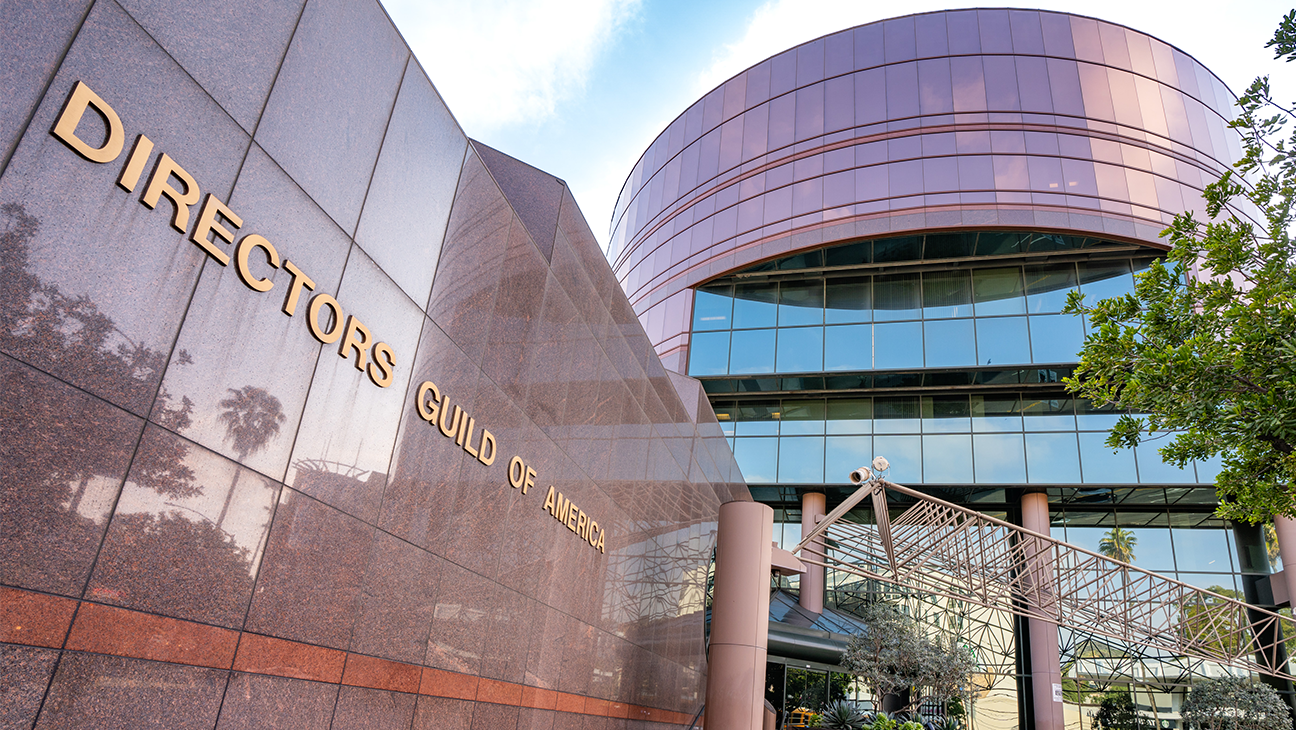
The Directors Guild of America has ratified a landmark four-year contract with the Alliance of Motion Picture and Television Producers that industry observers are describing as the most significant labor agreement in the DGA’s history for its comprehensive approach to the challenges posed by artificial intelligence. The agreement, which covers thousands of members working across film and television, establishes a framework of protections and rights regarding AI usage that will shape how the technology can be deployed in Hollywood productions for years to come.
The AI provisions in the new DGA contract address both the immediate concerns of working directors and the longer-term questions about how AI technology might alter the creative and economic landscape of filmmaking. Key protections prevent studios from using AI to replace director-controlled creative decisions, establish notification requirements when AI tools are used in production or post-production contexts, and create structures that provide directors with compensation when their work is used to train AI systems.
The contract also contains significant provisions regarding job creation and preservation — a reflection of concerns that AI tools could be used to reduce the size of production teams in ways that would harm working directors and their collaborators. The DGA negotiating team secured commitments establishing minimum employment standards even as technological efficiencies improve across the production pipeline.
Health plan provisions received significant attention in negotiations, with the new agreement shoring up the Guild’s health plan against anticipated pressures that could affect benefits for members and their families. The stability of health benefits has been a consistent priority for the DGA’s membership throughout recent contract cycles.
DGA leadership described the agreement as a foundation that positions the guild’s members to participate fairly in whatever technological future the industry navigates, rather than being subject to changes imposed unilaterally by studios and streaming platforms with significantly more negotiating leverage.
The contract is expected to serve as a template for other guild negotiations in coming months.
Source: The Hollywood Reporter